
LADYMATIC
THE OVERLOOKED HISTORY OF WOMEN’S WATCHES
SARAH STAFFORD TURNER, FOUNDER, TINYWATCHES
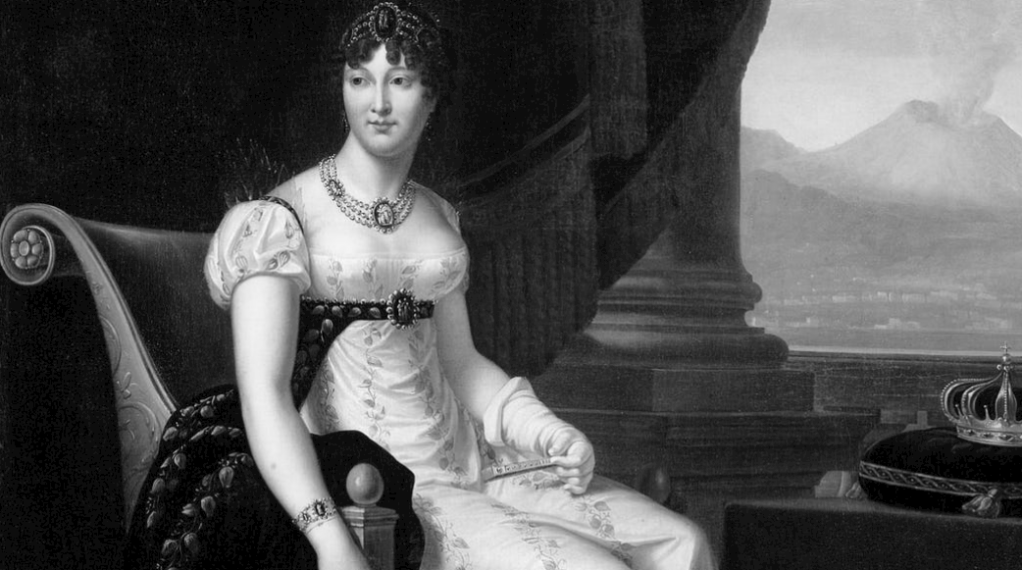
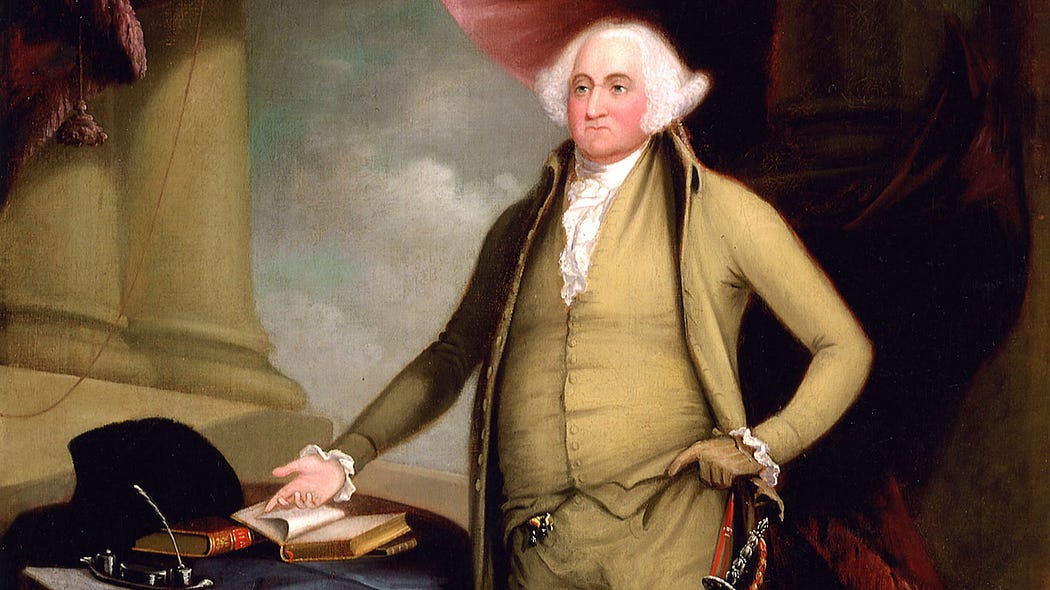
A woman invented the wristwatch. Many watch-lovers know the tale, but it deserves to be re-told: In 1810, Caroline, Queen of Naples requested that Swiss jeweler and watchmaker Breguet make her a bracelet to which a pocket watch could be attached.¹ While pocket watches were common at the time, they were typically a symbol of masculinity: busy men kept schedules, while women kept homes. As the term suggests, pocket watches were designed to be tucked into the pocket of men’s trousers. A fashion lexicon developed around the elaborate performativity of pocket-watch-wearing, as these timepieces became one of the ultimate symbols of conspicuous male wealth in the 18th-19th centuries.
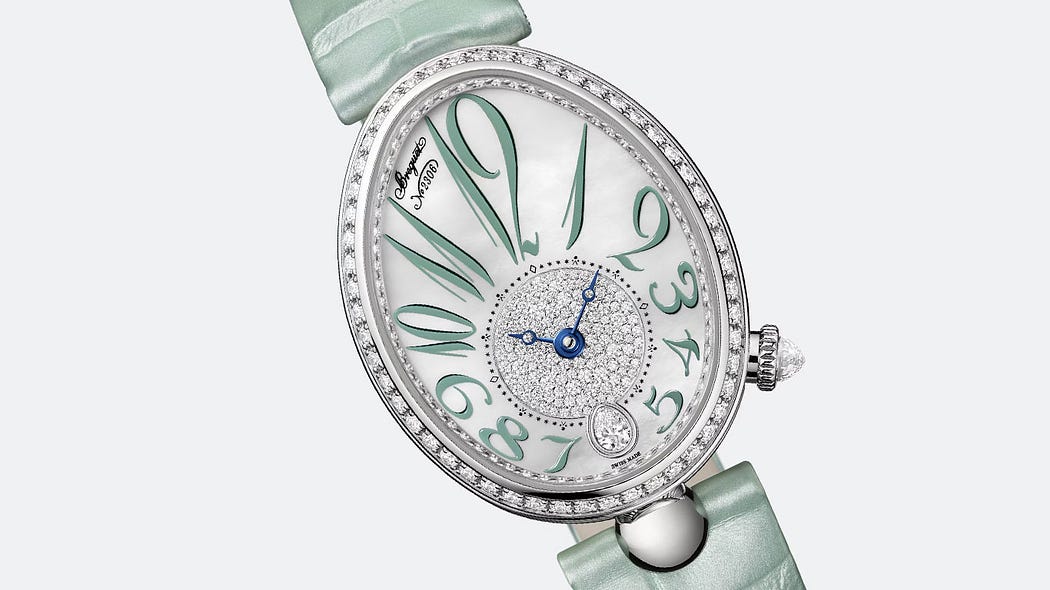
Queen Caroline, the original wrist-watch-wearer, was not forgotten. In 2002 Breguet announced an homage to her: the “Reine de Naples,” a high-end luxury timepiece with a unique egg-shaped case, available in a plethora of colors and styles for the fashion-conscious woman. While the stylish Reine de Naples design is still produced to this day, this luxury line sits on the sidelines of an explosive market, dominated by more “practical” timepieces: diver’s watches, motorsport watches, pilot’s watches — all designed with men in mind. Feminine watches had their day, it seems, and that day was 200 years ago. Even today’s well-known female watch collectors tend to specialize in men’s timepieces.²
The wristwatch may have been the jewelry of the practical woman in the 19th century, but by the twentieth century, the industry was flooded with male consumers. This was thanks in part to soldiers who relied upon convenient wristwatches on the front lines of the First World War. Military timepieces were viewed as so crucial that watchmakers began disassembling their ladies’ models to convert them into military watches.³
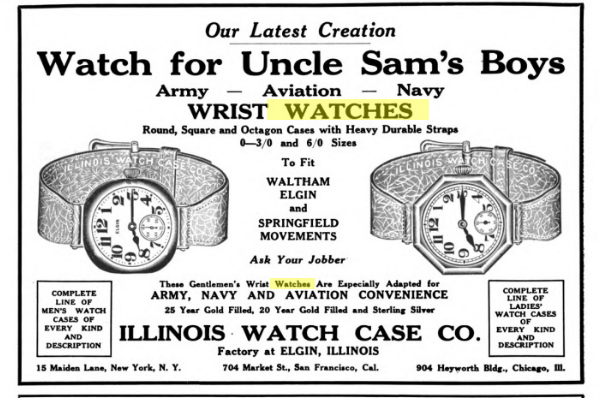
As this gender shift occurred, so too did the formation of the long-held utilitarian aims of the men’s watch sector: men’s watches featured larger dials, “durable” straps, and purpose-designed upgrades like break-resistant crystal. Watches would remain symbols of male status, in which one’s military service, work, or athletic pursuits denoted their success. Yet, it does a disservice to the horological industry to ignore the simultaneous developments achieved in the design of ladies’ timepieces.

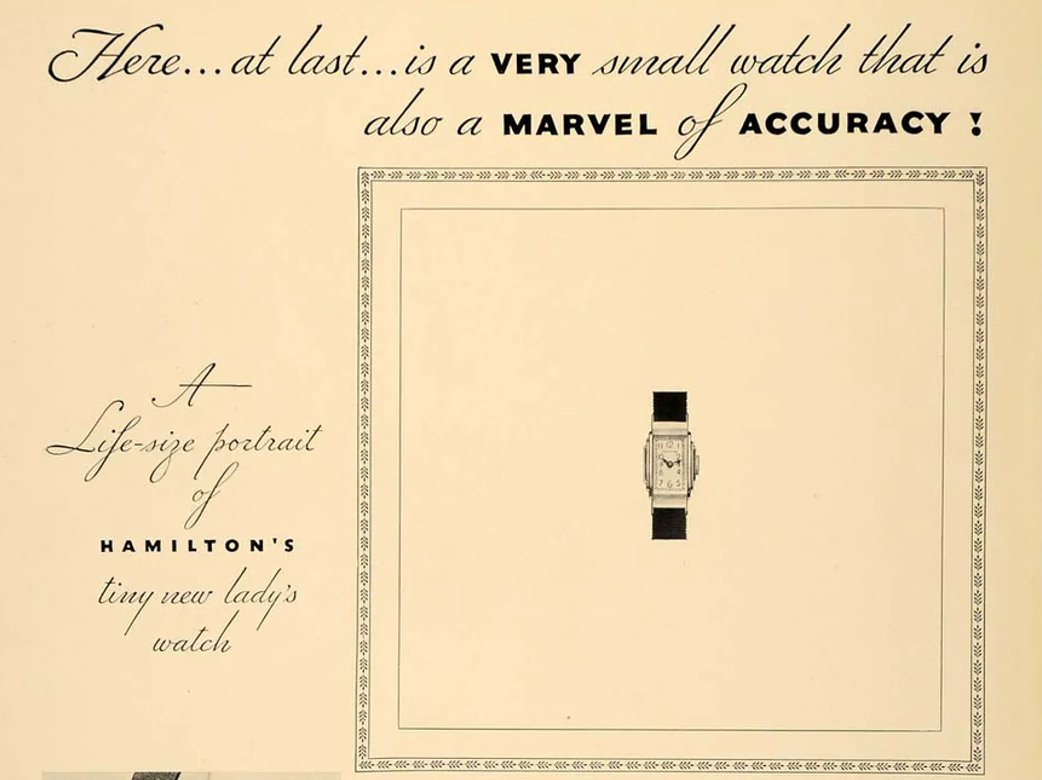
In the early years of the twentieth century, women who depended upon superior watch technology in their work or pastimes preferred men’s watches. Until very recently, the trend among ladies’ watches was one of small, delicate cases, fashionably accessorized with bracelet bands and precious gemstones. Manufacturers of ladies’ watches were confronted with a challenge: how to fit the top-of-the-line technology of a larger men’s watch into a much smaller case.
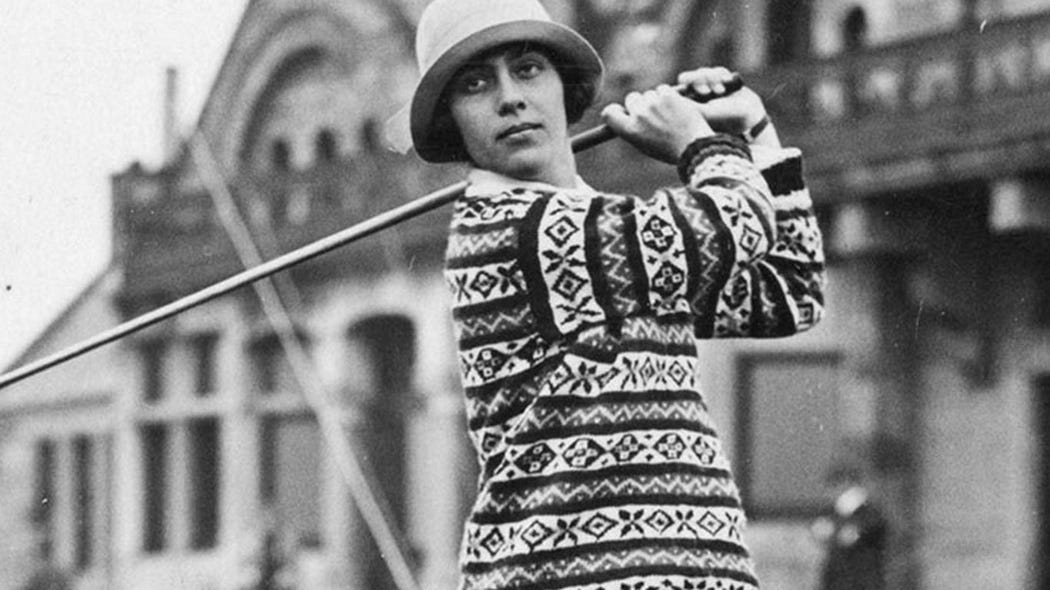
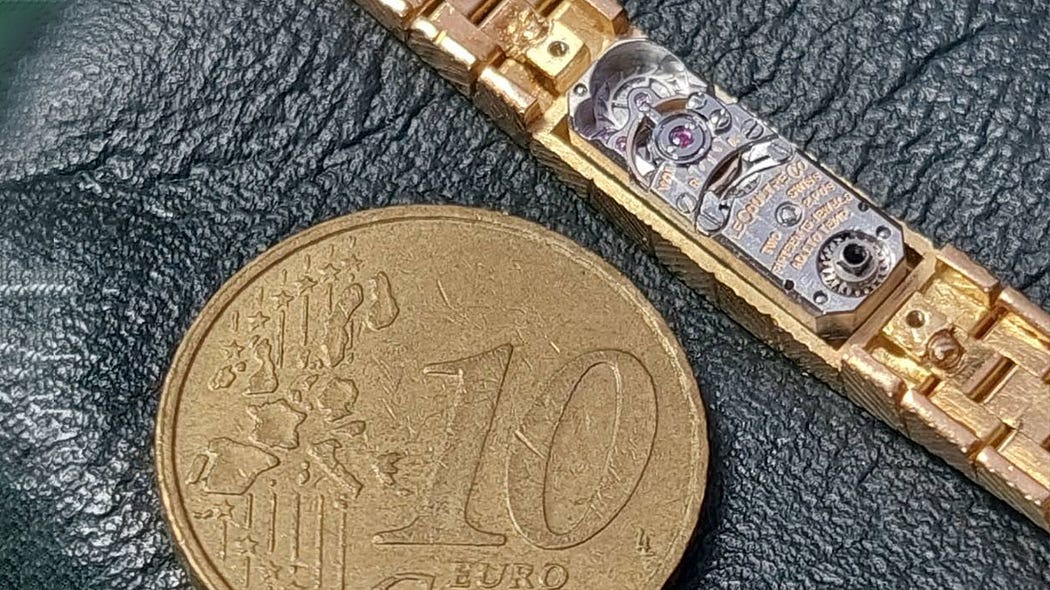
Slowly across Europe, Asia, and America, this tremendous feat was realized, and watchmakers began to boast the reliability and consistency of their women’s models, emphasizing the cutting-edge technology required to produce these scaled-down timepieces. In 1929, Jaeger‑LeCoultre released the Calibre 101, with a miniscule 14mm long case containing the world’s smallest mechanical movement to this day. It was the discrete movement of choice for Queen Elizabeth II during her coronation and is the movement used in the notoriously teeny Cartier Duoplan.⁴
The innovations continued. In 1937, Omega introduced the Medicus, the first watch to feature an easy-to-read central seconds hand. First intended as a doctor’s watch, the Medicus cemented its place in history on the wrists of women nurses during the Second World War. It became known there as the “nurse’s watch.”
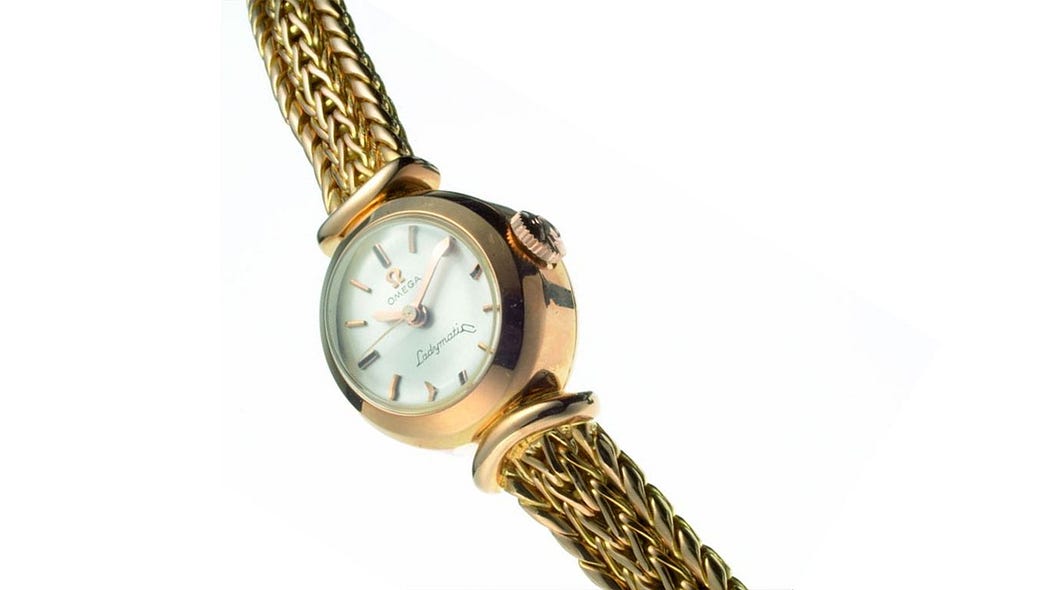
In 1955, Omega announced the “Ladymatic,” an incredible timepiece whose name feels like an afterthought in comparison to its technical quality. The Ladymatic was the first compact automatic timepiece and featured the world’s smallest rotor-equipped automatic movement to pass all chronometer testing.
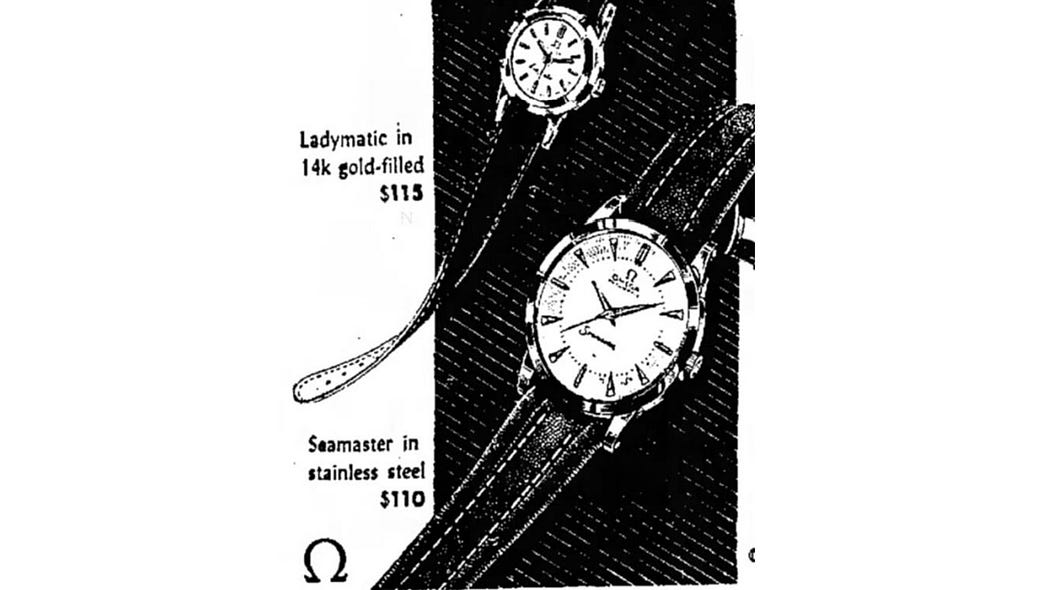
There is much to be said, as well, for the work of women’s watchmakers in service to the jewelry industry. Into the 1960s, it was common to see men’s timepieces in durable stainless steel, while their respective women’s versions were produced in fine gold fill. Women’s wristwatches were the first to innovate away from traditional design by incorporating artful flourishes and precious decoration. Turning the world of wristwatches on its head were such off-the-walls designs as Bulgari’s Serpenti (1948), Rolex’s ornate “concealed dial” cocktail watches of the 1950s, and Piaget’s bangle watches of the 1970s.
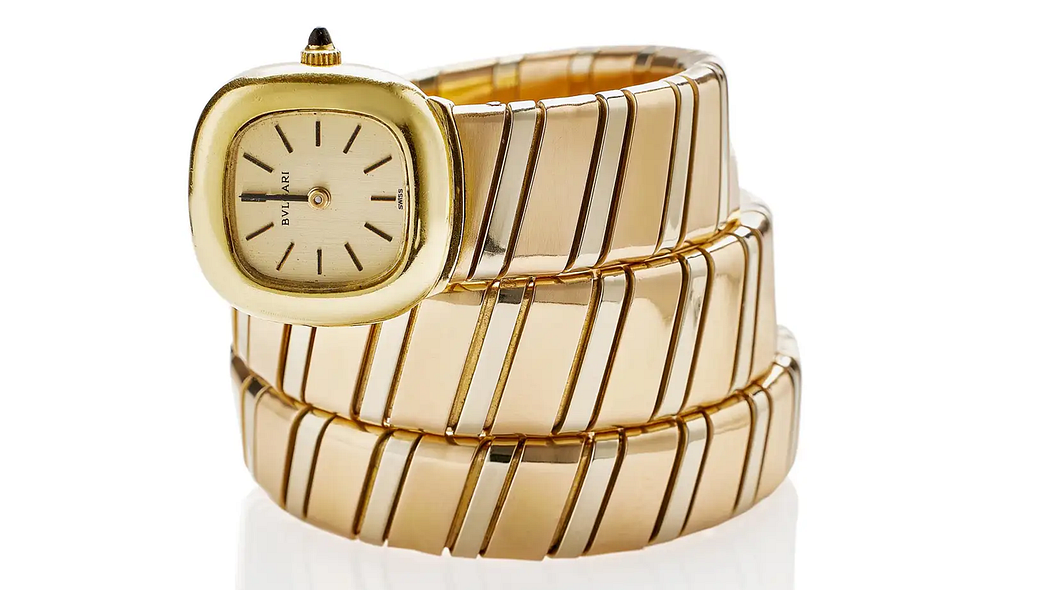
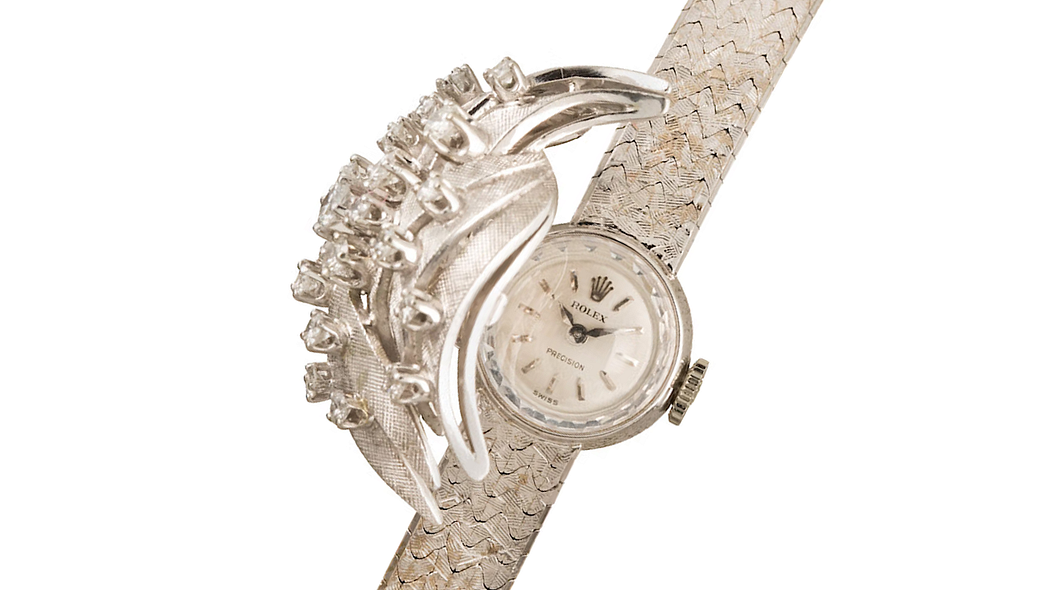
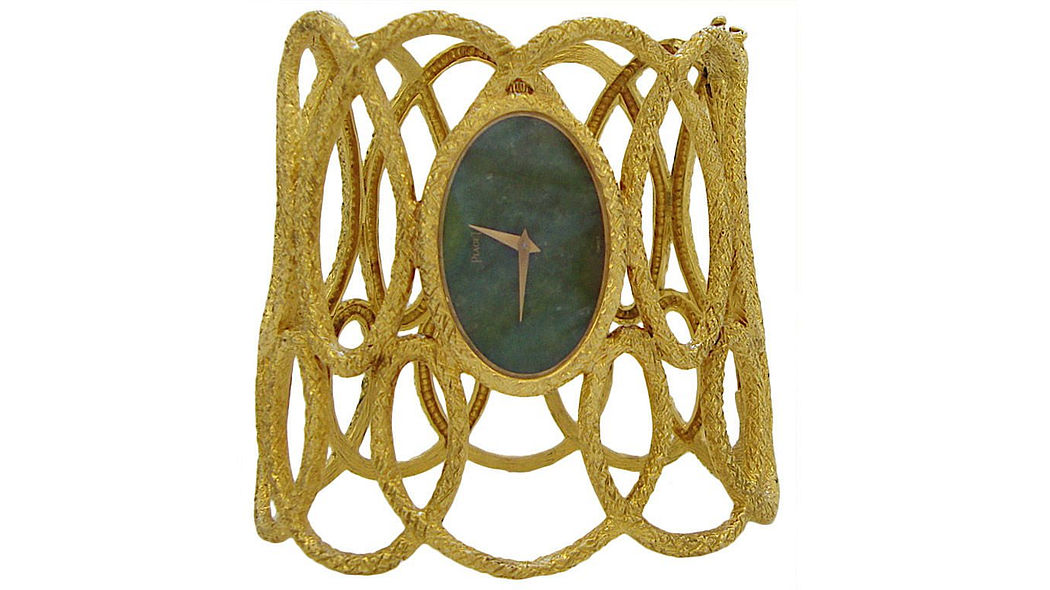
Men’s watchmakers have produced never-ending gadgetry and features (from the first tachymeter, the Longines 13.33Z, to the Jaeger-LeCoultre Reverso’s characteristic ability to swivel in self-protection while you are playing polo). But, innovations in women’s wristwatches have kept pace with the gadget game. While the men’s Piaget Protocole (1963) was rife with innovations (it was ultra-thin, with an ultra-sophisticated movement), the later “Miss Protocole” included a mechanism which allowed the wearer to switch bands as easily as you can on an Apple Watch.
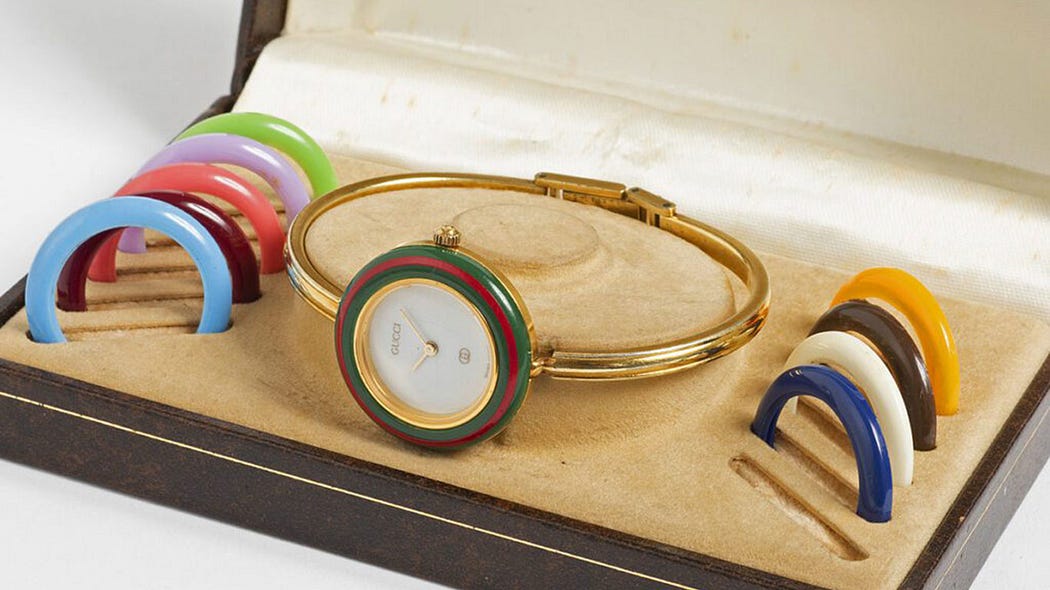
In the late 1980s and early 1990s, Gucci moved in on this trend with the now-viral 1100L, featuring interchangeable colored bezels. Do such superficial innovations deserve the same recognition as advancements in depth gauges or weather resistance? It would make sense, especially since so many collectors wear watches not for their practical application but for the pleasure of their aesthetic and the appreciation of their cultural significance. Most watch lovers would be unlikely to purchase a timepiece simply because it did a job. We have to like the way it looks too.
As for those who collect watches because they delight in their inner-workings, there is another misconception which has shaped watch-collecting from its beginnings. Just as the twentieth-century wristwatch industry was taking shape, so too were theories of sexual evolution which defined women as the weaker, more hesitant gender, less capable of engineering ability, and easily exerted by scientific thought. It is not outside the realm of possibility that (largely male) watchmakers, advertisers, and executives simply did not envision women using high-tech watches, so they did not produce very many.
As the value of collectible men’s watches has surged over the past ten years, one wonders whether the same may ever happen for women’s watches. In this old-fashioned gender economy, a mother and father might each pass their respective Rolexes on to their children (a son and a daughter, let’s say). But, the father’s Rolex could easily be worth three times as much as his wife’s ladies model. They are made by the same companies, born of the same innovations. So, why is it that the consumers driving these prices just don’t get as excited by women’s watches as they do by men’s?
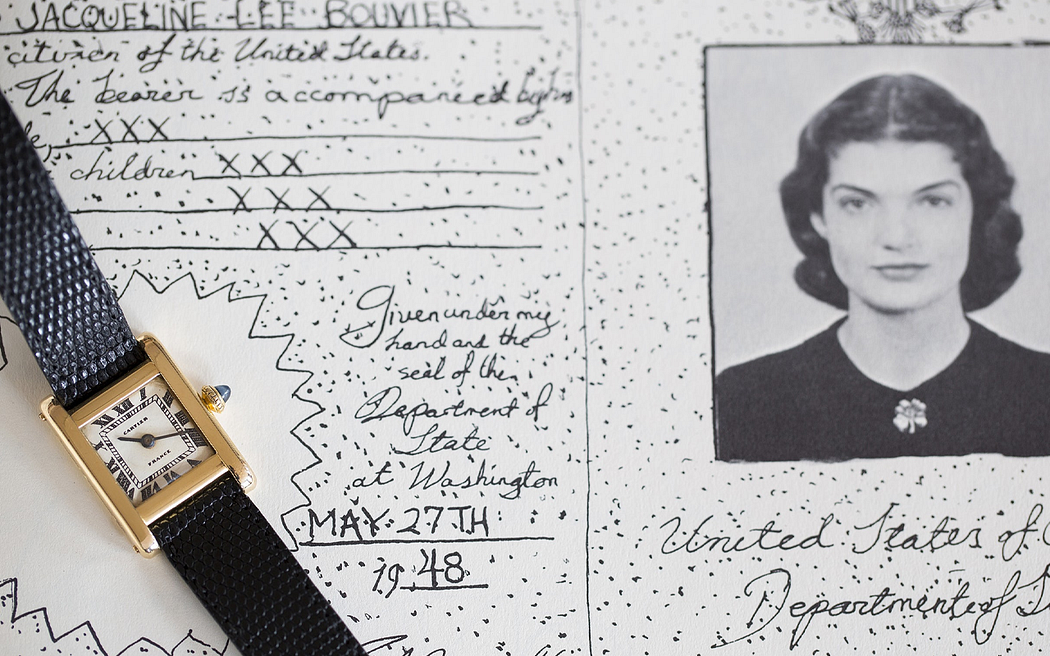
While it is fabulous to see women collecting men’s timepieces (and they have, since long before Jackie O’s Cartier Tank), it is also disheartening to see ladies’ watches relegated to a lesser tier of watch collecting. Sophie Cassaro, who runs the YouTube channel Sophie’s Watch World, is no stranger to this dichotomy. “It all boils down to the fact that 85% of collectors are still men,” says Cassaro.
But, things are changing every day. Irina Ciobanu, Founder of the Ladies’ Watch Club, notes that although watches have historically been perceived as men’s accessories, the ladies’ watch sector has “made strides in design and functionality.” “With evolving gender norms and a growing emphasis on inclusivity in fashion, there’s potential for women’s watches to gain greater popularity in the future.”
The vintage watch market, especially, has flourished in recent years and opened the watch world to a new group of collectors. High-end vintage cocktail watches can be had for pennies on the dollar, and more women collectors than ever before are getting in on the game. In the vintage space, women have plenty of options, as Cassaro notes, many early men’s watches are “tiny-wrist friendly.” “I am definitely interested in women’s watches as well as men’s,” she continues, “I suppose women are more open to different sizes.” Sanna Gränesjö, watch specialist at Kaplan’s auction house in Stockholm, is also optimistic. Though larger men’s sport and tool watches continue to dominate on the vintage market, she notes, “…with the current trend of finer and more delicate watches being more popular, I see more ladies watches being sought after and I hope this will just grow.”
Things change quickly in the market for collectible timepieces, and ladies’ watches are a sensible and worthwhile investment. Although many still look at Bulovas and Elgins from the 1940s and see “Grandma’s watch,” these tiny timepieces contain some of the most delicate and sophisticated movements ever made. They speak to a time in the history of watches when women occupied a completely separate sector of the watch market, and yet that gender displacement resulted in the formulation of many new ideas, styles, and technologies inspired by the feminine. But, for collectors to get excited about ladies’ watches, they have to take the time to understand them. With any luck, women’s watches may soon receive their overdue accolades.

¹ https://www.breguet.com/en/timepieces/reine-de-naples, Gene Stone, Stephen Pulvirent, The Watch, Thoroughly Revised (2018); Queen Elizabeth I wore a similar design 300 years earlier, though based on anecdotal description, it seems to have been more like a chatelaine worn upon the wrist.
² https://www.nytimes.com/2023/03/08/fashion/women-watches-collectors.html
³ Horological Journal, 1916–1917: https://hdl.handle.net/2027/chi.097888766?urlappend=%3Bseq=41%3Bownerid=13510798902031443-43
⁴ https://www.fratellowatches.com/jaeger-lecoultre-caliber-101-the-smallest-watch-movement-ever/#gref
⁵ See Clarsen, “The Dainty Female Toe and the Brawny Male Arm: Conceptions of Bodies and Power in Automotive Technology”; Ortner, “Is Female to Male as Nature is to Culture?”; Doane, “Technology and Sexual Difference: Apocalyptic Scenarios at Two ‘Fins de Siecle.’”

